Tag: goals

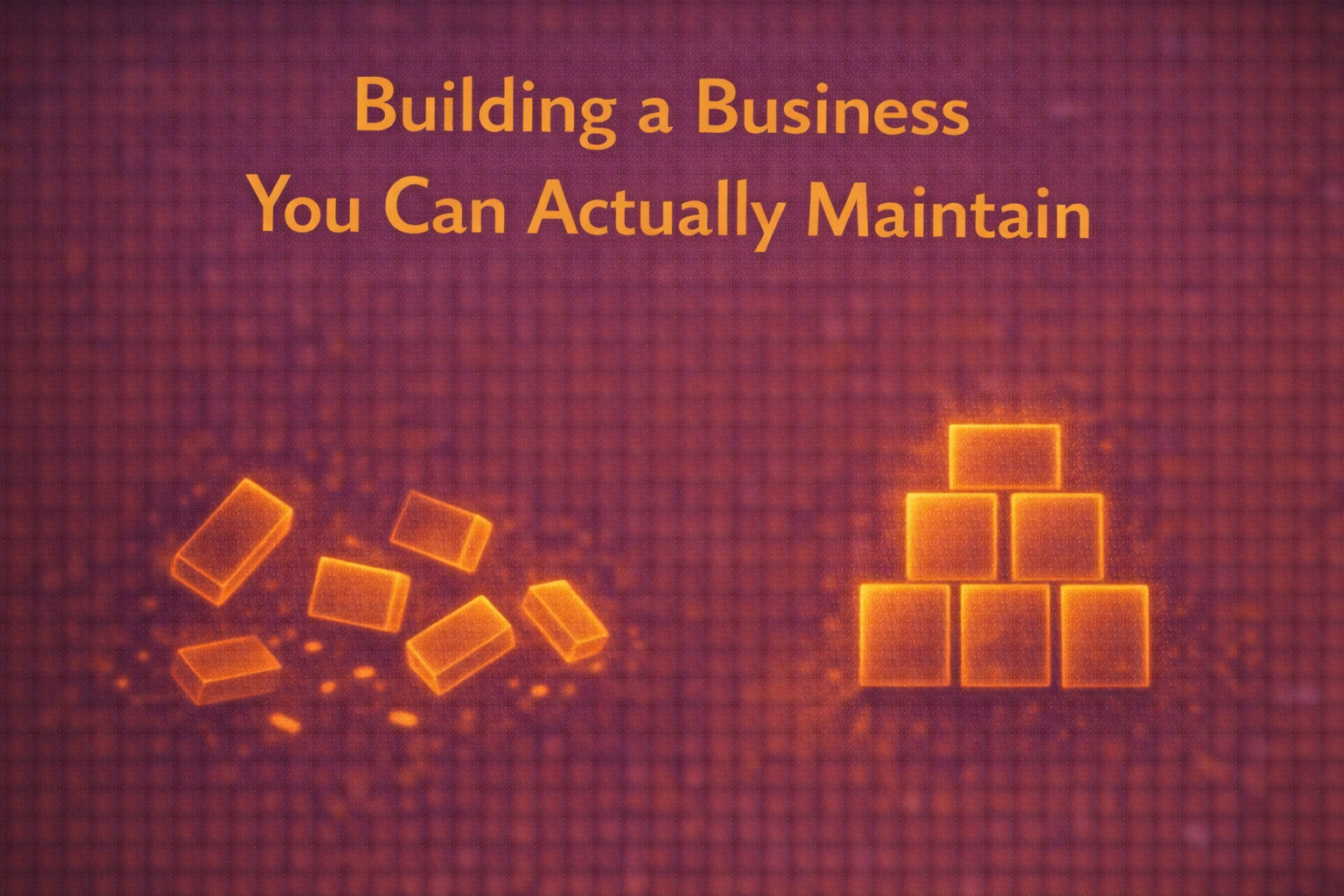
  • Issue #48 Building a Business You Can Actually Maintain

    It’s easy to build something that looks good on paper.

    A detailed plan.
    Multiple platforms.
    Complex systems.

    But the real question is:

    Can you actually maintain it?

    Because if you can’t maintain it… it won’t last.


    The Hidden Problem With “Doing More”

    Many people start by trying to do everything:

    • Post on multiple platforms
    • Use multiple tools
    • Build complex funnels
    • Follow advanced strategies

    At first, it feels productive.

    But over time, it becomes overwhelming.


    Why Sustainability Matters More Than Speed

    Fast growth is exciting.

    But sustainable growth is what builds real results.

    If your system depends on:

    • High energy every day
    • Perfect execution
    • Constant effort

    It’s only a matter of time before it breaks.


    Build for Your Real Life

    Your business should fit into your life—not take it over.

    That means considering:

    • Your available time
    • Your energy levels
    • Your other responsibilities

    Then building something that works within those limits.


    Simplicity Scales Better

    Simple systems are easier to maintain.

    Instead of doing everything, focus on:

    • One main traffic source
    • One core message
    • One simple funnel

    Clarity makes consistency possible.


    What a Maintainable Business Looks Like

    A sustainable system feels like:

    • Clear next steps
    • Manageable workload
    • Repeatable actions
    • Low stress

    You know what to do—and you can keep doing it.


    Avoid the Burnout Loop

    When your system is too complex, you fall into a cycle:

    Do too much → Feel overwhelmed → Stop → Start over

    This resets your progress.

    A simpler system prevents that.


    Build With the Future in Mind

    Don’t just ask:

    “Can I do this today?”

    Ask:

    “Can I still do this a month from now?”

    If the answer is no, simplify.


    Progress Comes From Repetition

    The more repeatable your system is, the easier it is to grow.

    Because growth doesn’t come from doing more things…

    It comes from doing the right things consistently.


    Final Thought

    You don’t need a complicated business to succeed.

    You need one you can maintain.

    Keep it simple.
    Keep it sustainable.
    Keep it consistent.

    Because the business you can stick with…

    Is the one that will actually grow.

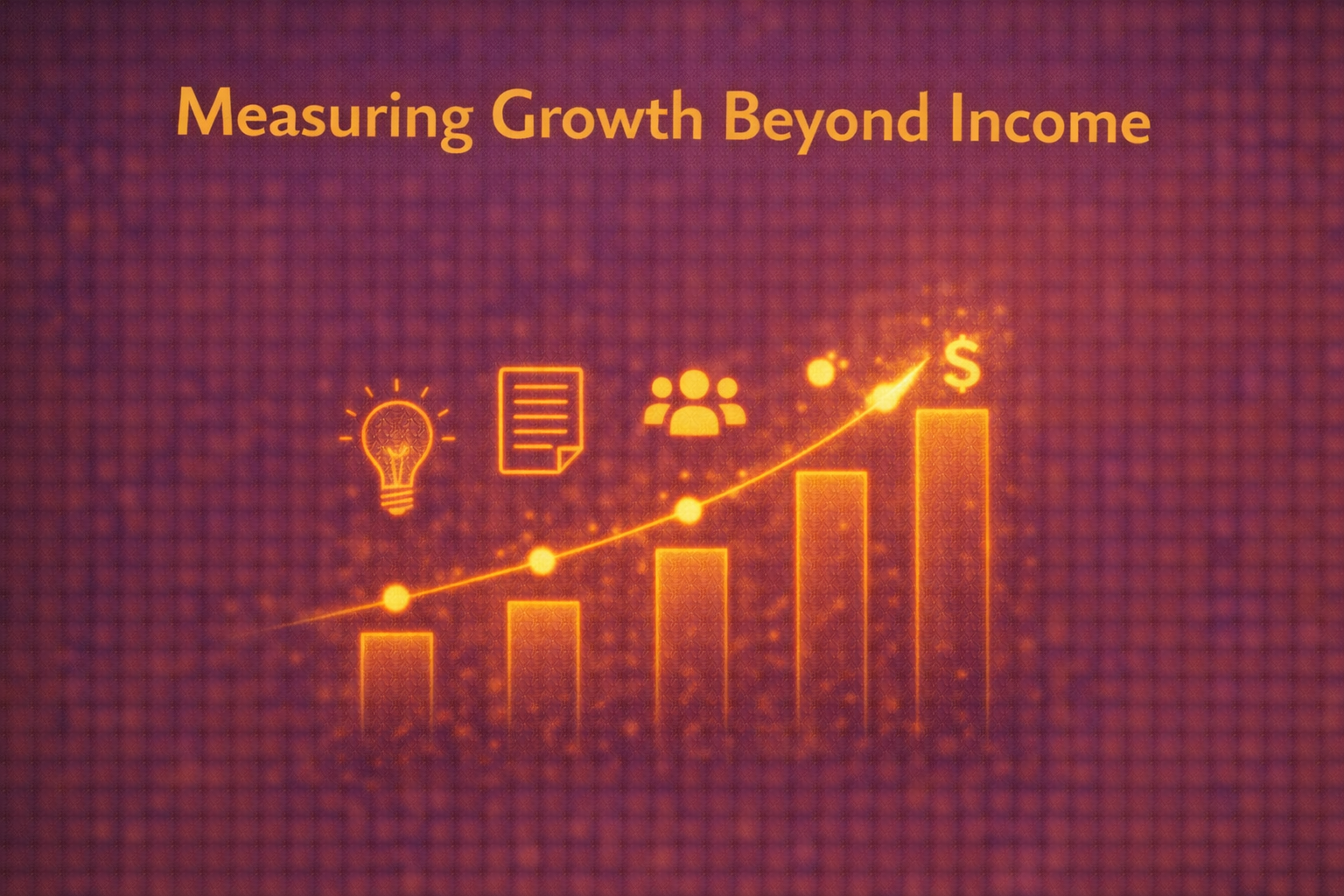
  • Issue #47 Measuring Growth Beyond Income

    It’s easy to measure success with one number:

    Income.

    How much did you make today?
    This week?
    This month?

    But when you’re building something long-term, income isn’t always the best measure of progress.

    And relying on it too early can make you feel like nothing is working—when it actually is.


    The Problem With Only Tracking Income

    Income is a lagging indicator.

    It shows up after a lot of other things happen:

    • Content creation
    • Traffic generation
    • Audience building
    • Trust development

    If you only look at income, you miss the progress happening underneath.


    What Growth Really Looks Like Early On

    In the early stages, growth shows up in smaller ways:

    • Publishing consistently
    • Getting your first clicks
    • Building your first subscribers
    • Improving your messaging
    • Understanding your audience

    These don’t always translate to money right away—but they matter.


    Leading vs Lagging Indicators

    Think of your business in two layers:

    Leading Indicators (What You Control)

    • Content created
    • Emails sent
    • Systems built
    • Actions taken

    Lagging Indicators (What Follows)

    • Clicks
    • Leads
    • Sales
    • Income

    Focus on leading indicators first.

    The lagging ones will follow.


    Why This Shift Matters

    When you track the right things:

    • You stay motivated longer
    • You see progress sooner
    • You make better decisions
    • You avoid quitting too early

    You stop chasing results—and start building them.


    Build a Better Scorecard

    Instead of only asking:

    “How much did I make?”

    Start asking:

    • What did I create?
    • What did I improve?
    • What did I learn?
    • What did I complete?

    These answers give you a clearer picture of real progress.


    Progress Comes Before Profit

    Most people expect income too soon.

    When it doesn’t show up, they assume it’s not working.

    But often, they’re closer than they think.

    Because the groundwork is already being built.


    Stack the Right Wins

    Focus on stacking wins you can control:

    • Finish a post
    • Send an email
    • Improve a page
    • Learn something new

    These wins create momentum.

    And momentum leads to results.


    Final Thought

    Income is important—but it’s not the whole picture.

    If you measure growth the right way, you’ll see progress even when results are still catching up.

    Track what you can control.
    Build consistently.
    And trust that the results will follow.

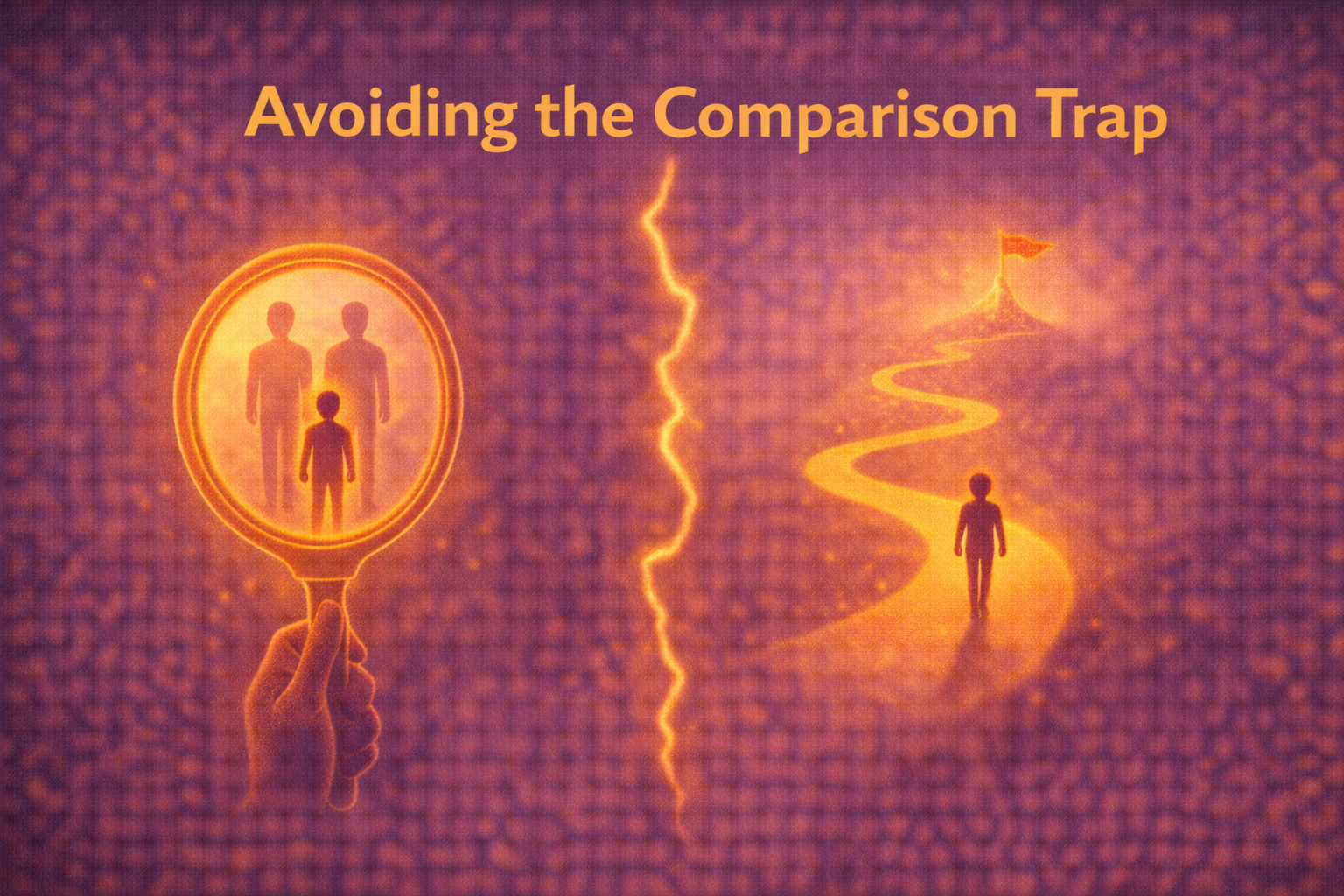
  • Issue #40 Avoiding the Comparison Trap

    It’s never been easier to compare yourself to others.

    Open any platform and you’ll see:

    • Bigger audiences
    • Faster growth
    • Higher earnings
    • Better results

    And without realizing it, you start asking:

    “Why am I not there yet?”

    That’s the comparison trap.


    Why Comparison Feels So Real

    The problem isn’t comparison itself—it’s what you’re comparing.

    You’re seeing:

    • Someone else’s highlights
    • Someone else’s wins
    • Someone else’s results

    But you’re comparing it to:

    • Your current stage
    • Your behind-the-scenes
    • Your learning curve

    That’s not a fair comparison.


    The Hidden Timeline

    Everyone is on a different timeline.

    Some people have:

    • More experience
    • More time invested
    • More failures behind them
    • More systems already built

    What looks like fast success is often built on slow progress you didn’t see.


    What Comparison Actually Does

    When you compare too much, it leads to:

    • Frustration
    • Doubt
    • Overthinking
    • Changing direction too often

    Instead of focusing on your path, you start chasing someone else’s.

    And that usually slows you down.


    Turn Comparison Into Awareness

    Comparison isn’t always bad—if you use it correctly.

    Instead of asking:

    “Why am I behind?”

    Ask:

    “What can I learn from this?”

    Use it as insight, not judgment.


    Focus on Your Own Progress

    The only comparison that matters is:

    You vs. you.

    Are you:

    • Improving your skills?
    • Showing up consistently?
    • Building your system?

    If the answer is yes, you’re moving forward.


    Limit the Noise

    If certain content makes you feel stuck or discouraged:

    • Unfollow
    • Mute
    • Take breaks

    Protecting your focus is part of the process.


    Build Your Own Pace

    You don’t need to:

    • Grow as fast as someone else
    • Use the same strategy
    • Follow the same path

    What matters is building something that works for you.


    Final Thought

    Comparison pulls your attention away from your progress.

    Focus brings it back.

    Stay in your lane.
    Keep building.
    Keep improving.

    Because the only path that matters…

    Is the one you keep moving forward on.

  • Issue #39 Why Quiet Progress Still Counts

    Not all progress is visible.

    Sometimes there are no likes.
    No comments.
    No big wins to point to.

    Just effort.

    And because it’s quiet… it’s easy to think it doesn’t count.

    But it does.


    The Illusion of Visible Success

    Online, it looks like everything happens fast.

    • Big launches
    • Viral posts
    • Overnight results

    But what you don’t see is the work behind it:

    • The early posts no one read
    • The emails no one opened
    • The systems that took time to build

    Most progress happens before anyone notices.


    What Quiet Progress Looks Like

    Quiet progress is:

    • Writing when no one is watching
    • Learning when results are slow
    • Improving without immediate feedback
    • Showing up without recognition

    It’s not exciting.

    But it’s necessary.


    Why It Matters More Than You Think

    Every small action builds something:

    • Skills improve
    • Systems get stronger
    • Confidence grows
    • Clarity increases

    Even if there’s no visible result yet…

    You’re not in the same place you were before.


    The Danger of Ignoring It

    If you only value visible results, you’ll feel stuck.

    And when you feel stuck, you’re more likely to:

    • Quit early
    • Change direction
    • Abandon what’s working

    Not because it failed…

    But because it hasn’t been seen yet.


    Progress Before Results

    Results are delayed.

    Progress happens immediately.

    That means:

    • You can control progress
    • You can measure effort
    • You can build momentum

    Even when results haven’t caught up yet.


    A Better Way to Track Growth

    Instead of asking:

    “What did I get?”

    Ask:

    “What did I build?”

    Track things like:

    • Content created
    • Systems completed
    • Actions taken
    • Skills improved

    These are the real indicators of movement.


    Trust the Process

    Quiet progress feels slow.

    But it’s often the phase right before things start working.

    What looks like nothing… is usually something building.


    Final Thought

    Not all progress needs to be loud to be real.

    Keep showing up.
    Keep building.
    Keep improving.

    Because the work you do quietly today…

    Is what creates visible results later.

  • Issue #33 Why Small Wins Matter More Than Big Goals

    Big goals are exciting.

    They give you something to aim for. They make you feel motivated. They create a vision of what’s possible.

    But there’s a problem.

    Big goals don’t build momentum.

    Small wins do.


    The Problem With Big Goals

    Big goals often feel far away.

    “Make $1,000 online.”
    “Grow a list to 10,000 subscribers.”
    “Build a full-time income.”

    These are great targets—but they can also feel overwhelming.

    When progress is slow, it’s easy to feel like nothing is working.

    And that’s when people quit.


    What Small Wins Actually Do

    Small wins change everything.

    They:

    • Build confidence
    • Create momentum
    • Reinforce action
    • Make progress visible

    Instead of waiting for one big result, you start stacking small victories.

    And those add up faster than you think.


    Examples of Small Wins

    In affiliate marketing, small wins look like:

    • Publishing a post
    • Getting your first click
    • Writing your first email
    • Getting one subscriber
    • Finishing a simple funnel

    None of these feel huge on their own.

    But together, they create progress.


    Momentum Is Built, Not Found

    Most people are waiting for motivation.

    But motivation often comes after action.

    Small wins create a loop:

    Action → Result → Confidence → More Action

    That’s how momentum builds.


    Why Small Wins Are More Reliable

    Big goals depend on many things going right.

    Small wins only depend on one thing:

    You showing up.

    That makes them more consistent—and more powerful long-term.


    Shift Your Focus

    Instead of asking:

    “Did I hit my big goal?”

    Ask:

    “Did I make progress today?”

    That one shift reduces pressure and increases consistency.


    Build a Win List

    At the end of each day or week, track your wins:

    • What did you complete?
    • What did you improve?
    • What did you learn?

    This helps you see progress even when results are still growing.


    Final Thought

    Big goals give you direction.

    Small wins get you there.

    If you want to build something that lasts, stop waiting for the big breakthrough…

    And start stacking small victories.