Tag: productivity

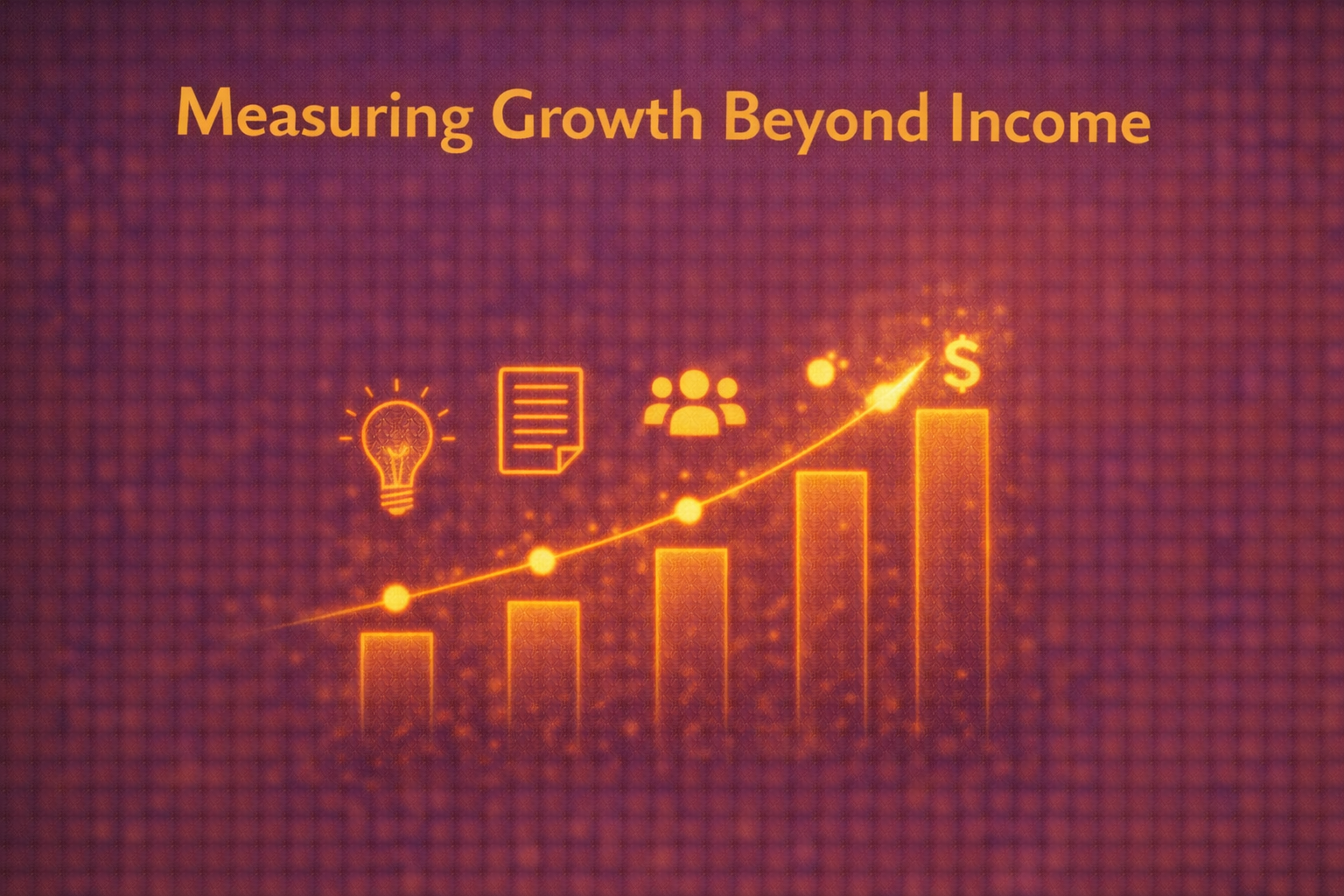
  • Issue #47 Measuring Growth Beyond Income

    It’s easy to measure success with one number:

    Income.

    How much did you make today?
    This week?
    This month?

    But when you’re building something long-term, income isn’t always the best measure of progress.

    And relying on it too early can make you feel like nothing is working—when it actually is.


    The Problem With Only Tracking Income

    Income is a lagging indicator.

    It shows up after a lot of other things happen:

    • Content creation
    • Traffic generation
    • Audience building
    • Trust development

    If you only look at income, you miss the progress happening underneath.


    What Growth Really Looks Like Early On

    In the early stages, growth shows up in smaller ways:

    • Publishing consistently
    • Getting your first clicks
    • Building your first subscribers
    • Improving your messaging
    • Understanding your audience

    These don’t always translate to money right away—but they matter.


    Leading vs Lagging Indicators

    Think of your business in two layers:

    Leading Indicators (What You Control)

    • Content created
    • Emails sent
    • Systems built
    • Actions taken

    Lagging Indicators (What Follows)

    • Clicks
    • Leads
    • Sales
    • Income

    Focus on leading indicators first.

    The lagging ones will follow.


    Why This Shift Matters

    When you track the right things:

    • You stay motivated longer
    • You see progress sooner
    • You make better decisions
    • You avoid quitting too early

    You stop chasing results—and start building them.


    Build a Better Scorecard

    Instead of only asking:

    “How much did I make?”

    Start asking:

    • What did I create?
    • What did I improve?
    • What did I learn?
    • What did I complete?

    These answers give you a clearer picture of real progress.


    Progress Comes Before Profit

    Most people expect income too soon.

    When it doesn’t show up, they assume it’s not working.

    But often, they’re closer than they think.

    Because the groundwork is already being built.


    Stack the Right Wins

    Focus on stacking wins you can control:

    • Finish a post
    • Send an email
    • Improve a page
    • Learn something new

    These wins create momentum.

    And momentum leads to results.


    Final Thought

    Income is important—but it’s not the whole picture.

    If you measure growth the right way, you’ll see progress even when results are still catching up.

    Track what you can control.
    Build consistently.
    And trust that the results will follow.

  • Issue #45 What to Do When Motivation Drops

    Motivation feels great—when it’s there.

    You’re focused.
    You’re productive.
    You’re moving forward.

    But then it fades.

    And when it does, everything feels harder.

    That’s where most people get stuck.


    The Truth About Motivation

    Motivation isn’t constant.

    It comes and goes.

    Some days you feel driven.
    Other days you don’t feel like doing anything at all.

    That’s normal.

    The problem isn’t losing motivation…

    It’s relying on it too much.


    Why Motivation Isn’t Enough

    If you only take action when you feel motivated:

    • Progress becomes inconsistent
    • Momentum disappears
    • Results slow down

    You end up waiting instead of building.


    What to Rely on Instead

    Instead of motivation, build structure.

    Things like:

    • Simple routines
    • Clear next steps
    • Defined work time

    These reduce the need to “feel like it.”

    You just follow the process.


    Lower the Bar

    When motivation drops, don’t try to do everything.

    Do something small.

    • Write a few sentences
    • Review a draft
    • Fix one small thing

    Small actions keep you moving.

    And movement often brings motivation back.


    Focus on Showing Up

    Consistency isn’t about doing your best work every day.

    It’s about showing up—even on low-energy days.

    Because those days matter more than you think.

    They’re what keep momentum alive.


    Remove Friction

    If it feels hard to start, make it easier.

    • Keep tasks simple
    • Remove distractions
    • Prepare ahead of time

    The easier it is to begin, the less you rely on motivation.


    Remember Your System

    You don’t need to rethink everything.

    Go back to your system:

    • What’s the next step?
    • What’s the simplest action?
    • What can you complete today?

    Clarity reduces resistance.


    Motivation Follows Action

    Most people think:

    Motivation → Action

    But it often works like this:

    Action → Motivation

    Start first—even if it’s small.

    The feeling usually follows.


    Final Thought

    Motivation will come and go.

    That’s normal.

    What matters is what you do when it’s gone.

    Show up anyway.
    Do something small.
    Keep moving forward.

    Because progress isn’t built on motivation…

    It’s built on consistency.

  • Issue #41 You Don’t Need to Be an Expert Yet

    One of the biggest things that holds people back is this belief:

    “I’m not ready yet.”

    Not experienced enough.
    Not knowledgeable enough.
    Not confident enough.

    So they wait.

    They learn more.
    Watch more.
    Prepare more.

    But they don’t start.


    The Myth of “Expert First”

    It’s easy to think you need to be an expert before you:

    • Share content
    • Recommend products
    • Build an audience

    But the truth is…

    Most people you learn from aren’t that far ahead of you.

    They’re just one step ahead—and willing to share it.


    People Don’t Need Experts—They Need Help

    Your audience isn’t always looking for the top authority.

    They’re looking for:

    • Someone relatable
    • Someone who understands their struggle
    • Someone who can explain things simply

    And often, the closer you are to their level…

    The better you can help.


    Learn, Then Share

    You don’t need to know everything.

    You just need to:

    1. Learn something
    2. Apply it
    3. Share what you learned

    This creates value immediately.

    And over time, it builds both skill and confidence.


    Progress Over Perfection

    Waiting until you “know enough” is a moving target.

    Because the more you learn, the more you realize there’s still more to learn.

    Instead of trying to reach a finish line…

    Focus on making progress.


    The Advantage of Starting Early

    When you start before you feel ready:

    • You gain real experience
    • You learn faster
    • You build confidence through action
    • You improve as you go

    And most importantly—you stop waiting.


    Your Role Right Now

    You don’t need to be:

    • The expert
    • The authority
    • The finished version

    You just need to be:

    Someone who is learning and willing to share the journey.


    A Simple Reframe

    Instead of asking:

    “Am I ready?”

    Ask:

    “Can I help someone one step behind me?”

    If the answer is yes—you’re ready enough.


    Final Thought

    You don’t become an expert before you start.

    You become one because you start.

    So don’t wait for perfect knowledge.

    Start where you are.
    Share what you know.
    And grow from there.

  • Issue #39 Why Quiet Progress Still Counts

    Not all progress is visible.

    Sometimes there are no likes.
    No comments.
    No big wins to point to.

    Just effort.

    And because it’s quiet… it’s easy to think it doesn’t count.

    But it does.


    The Illusion of Visible Success

    Online, it looks like everything happens fast.

    • Big launches
    • Viral posts
    • Overnight results

    But what you don’t see is the work behind it:

    • The early posts no one read
    • The emails no one opened
    • The systems that took time to build

    Most progress happens before anyone notices.


    What Quiet Progress Looks Like

    Quiet progress is:

    • Writing when no one is watching
    • Learning when results are slow
    • Improving without immediate feedback
    • Showing up without recognition

    It’s not exciting.

    But it’s necessary.


    Why It Matters More Than You Think

    Every small action builds something:

    • Skills improve
    • Systems get stronger
    • Confidence grows
    • Clarity increases

    Even if there’s no visible result yet…

    You’re not in the same place you were before.


    The Danger of Ignoring It

    If you only value visible results, you’ll feel stuck.

    And when you feel stuck, you’re more likely to:

    • Quit early
    • Change direction
    • Abandon what’s working

    Not because it failed…

    But because it hasn’t been seen yet.


    Progress Before Results

    Results are delayed.

    Progress happens immediately.

    That means:

    • You can control progress
    • You can measure effort
    • You can build momentum

    Even when results haven’t caught up yet.


    A Better Way to Track Growth

    Instead of asking:

    “What did I get?”

    Ask:

    “What did I build?”

    Track things like:

    • Content created
    • Systems completed
    • Actions taken
    • Skills improved

    These are the real indicators of movement.


    Trust the Process

    Quiet progress feels slow.

    But it’s often the phase right before things start working.

    What looks like nothing… is usually something building.


    Final Thought

    Not all progress needs to be loud to be real.

    Keep showing up.
    Keep building.
    Keep improving.

    Because the work you do quietly today…

    Is what creates visible results later.

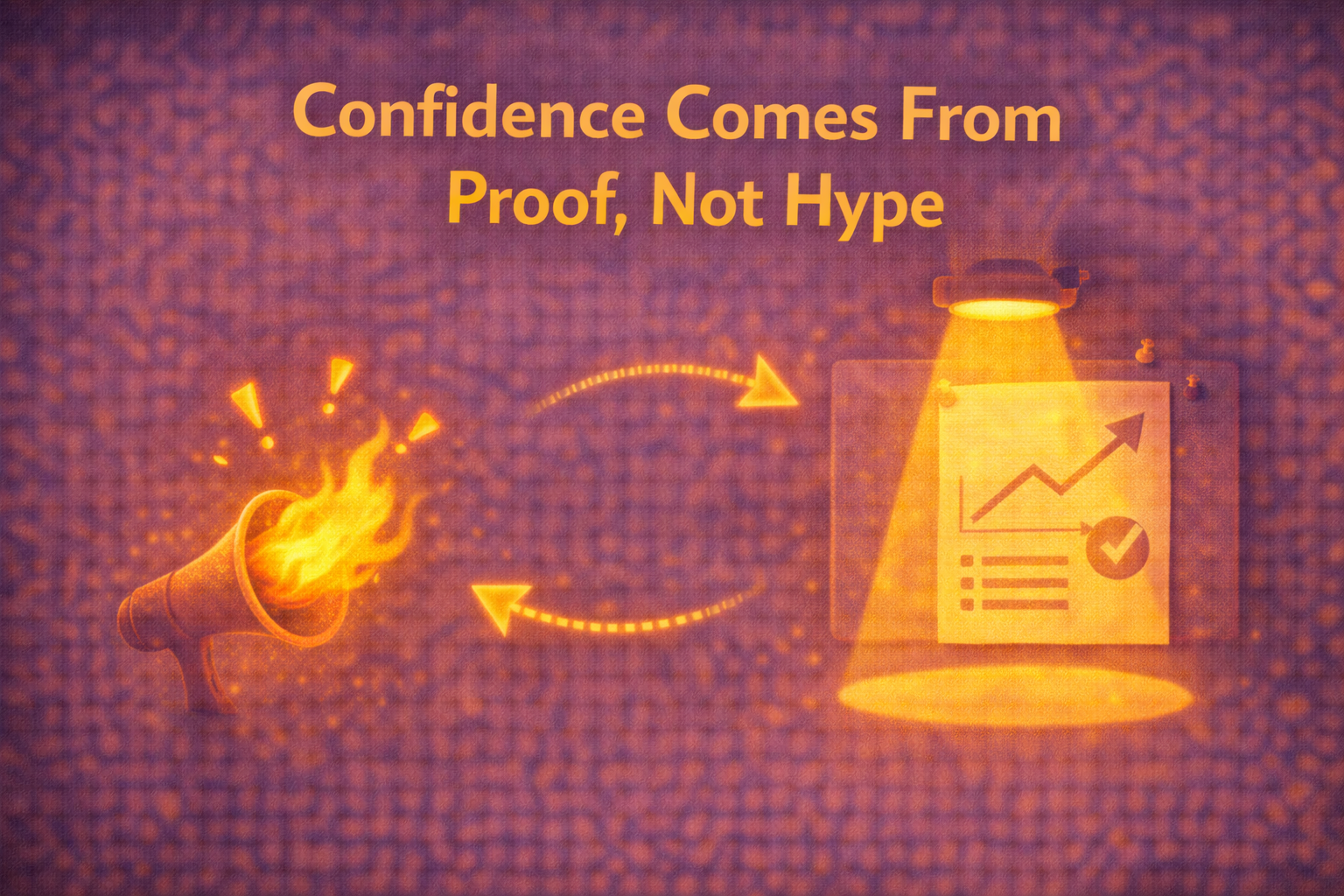
  • Issue #38 Confidence Comes From Proof, Not Hype

    Confidence is something everyone wants.

    More confidence to post.
    More confidence to promote.
    More confidence to share offers.

    But here’s the truth most people overlook:

    Confidence doesn’t come first.

    It comes after proof.


    The Problem With Waiting to Feel Ready

    A lot of people think:

    • “I’ll start when I feel more confident”
    • “I need to know more before I begin”
    • “I don’t want to get it wrong”

    So they wait.

    And while they’re waiting… nothing changes.


    Where Real Confidence Comes From

    Confidence is built through evidence.

    Small, simple proof like:

    • Publishing your first post
    • Getting your first click
    • Sending your first email
    • Completing your first funnel

    Each action gives you feedback.

    That feedback builds belief.


    Why Hype Doesn’t Last

    Motivation can feel powerful in the moment.

    You watch a video.
    You get excited.
    You feel ready to go.

    But hype fades quickly.

    And when it does, you’re left with nothing to stand on.

    That’s why hype alone isn’t enough.


    Proof Builds Stability

    Proof is different.

    It’s grounded in experience.

    When you’ve done something—even once—you know it’s possible.

    That creates:

    • Real confidence
    • Better decisions
    • Less hesitation

    And most importantly… consistency.


    Start Smaller Than You Think

    You don’t need big wins.

    You need repeatable wins.

    Focus on:

    • One post
    • One email
    • One action per day

    Stack those, and confidence builds naturally.


    A Simple Shift

    Instead of asking:

    “How do I feel more confident?”

    Ask:

    “What proof can I create today?”

    That one question leads to action.

    And action leads to belief.


    The Compounding Effect

    Proof stacks over time.

    • One action becomes ten
    • Ten becomes experience
    • Experience becomes confidence

    And suddenly, things that felt hard… feel normal.


    Final Thought

    Confidence isn’t something you wait for.

    It’s something you build.

    Not through hype.
    Not through motivation.

    But through proof—one action at a time.

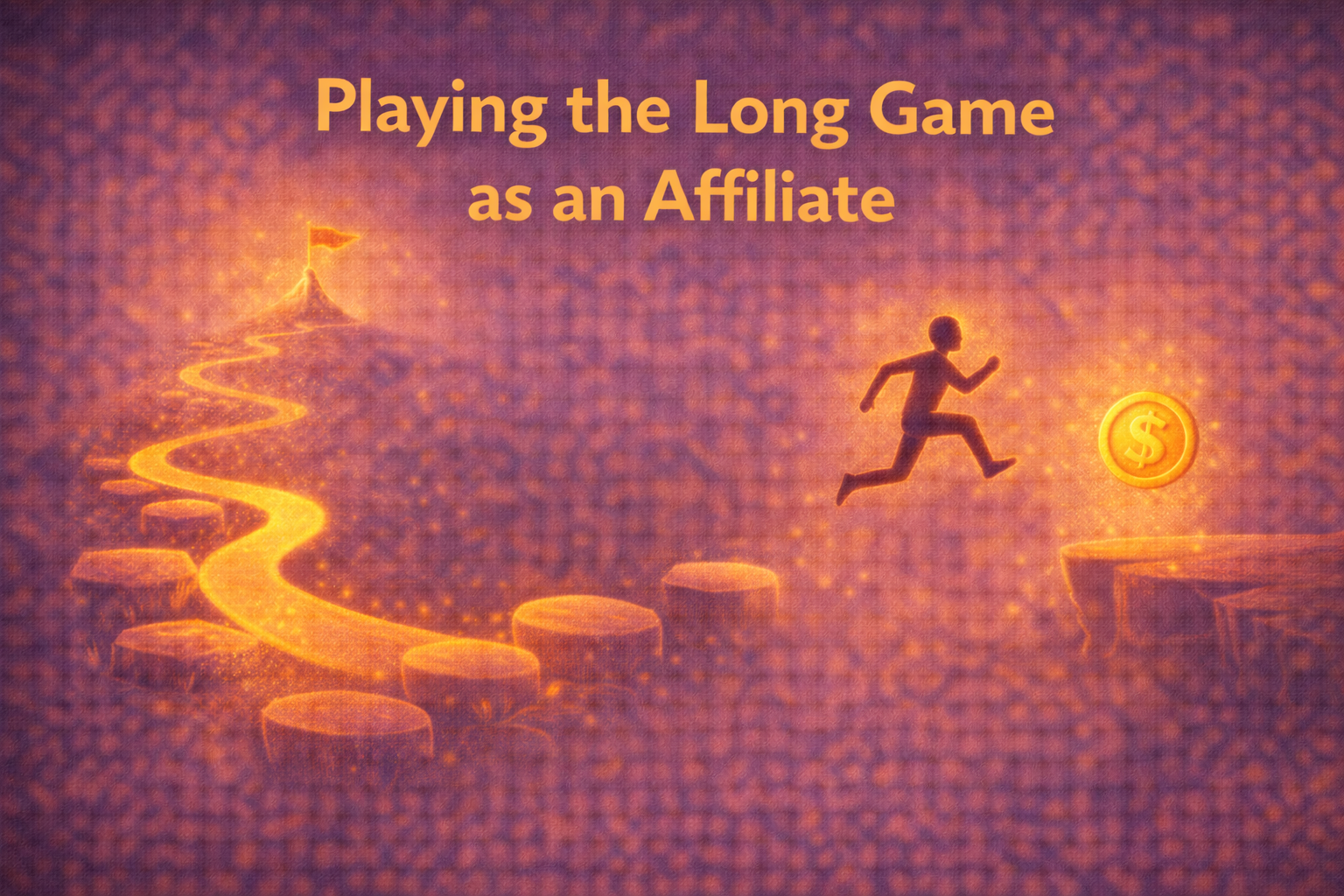
  • Issue #37 Playing the Long Game as an Affiliate

    Affiliate marketing is often sold as a quick win.

    Pick a product.
    Share a link.
    Make money.

    And while that can happen…

    It’s not what builds a real business.

    The people who succeed long-term are the ones who learn to play the long game.


    The Short-Term Trap

    It’s easy to focus on quick results:

    • “Why didn’t this post convert?”
    • “Why didn’t I make money this week?”
    • “Should I switch offers?”

    This mindset leads to constant switching, chasing trends, and starting over.

    And starting over resets your progress.


    What the Long Game Looks Like

    Playing the long game means focusing on:

    • Building trust
    • Creating consistent content
    • Growing an audience
    • Improving your system over time

    Instead of asking “How fast can I make money?” you ask:

    “How can I build something that keeps working?”


    Why Trust Takes Time

    People don’t click, subscribe, or buy instantly.

    They:

    • See your content
    • Get familiar with your message
    • Learn to trust your recommendations

    This doesn’t happen in one post.

    It happens through repeated exposure and consistency.


    Compounding Effort

    The long game works because of compounding.

    • One post becomes ten
    • Ten becomes fifty
    • Fifty becomes traffic
    • Traffic becomes opportunities

    At first, progress feels slow.

    Then it starts to build.


    What Most People Miss

    Most people quit before the compounding happens.

    They:

    • Stop posting
    • Change direction
    • Abandon systems too early

    Not because it didn’t work…

    But because they didn’t give it enough time.


    How to Stay in the Game

    If you want to win long-term:

    • Keep your strategy simple
    • Stay consistent
    • Track progress (not just results)
    • Improve gradually

    You don’t need to move fast.

    You need to keep moving.


    A Different Way to Measure Success

    Instead of focusing only on income, track:

    • Content created
    • Emails sent
    • Systems built
    • Skills improved

    These are the leading indicators of success.

    The results follow later.


    Final Thought

    Affiliate marketing isn’t about quick wins.

    It’s about building something that works over time.

    If you play the short game, you chase results.

    If you play the long game, you build them.

    And the people who build… eventually win.

  • Issue #34 The Truth About “Passive” Income

    “Make money while you sleep.”

    You’ve probably heard that phrase before.

    It’s one of the biggest promises in online business—and one of the most misunderstood.

    Because while passive income is real

    It’s not what most people think.


    The Myth of Passive Income

    The common belief is:

    • Set something up once
    • Do nothing
    • Money keeps coming in

    No effort. No maintenance. No work.

    But that’s not how it actually works.


    What Passive Income Really Is

    Passive income is better defined as:

    Work done once (or repeatedly) that continues to produce results over time.

    Notice something?

    There’s still work involved.


    The Front-Loaded Effort

    Before anything becomes “passive,” there’s an active phase.

    You have to:

    • Create content
    • Build systems
    • Set up funnels
    • Test what works
    • Drive initial traffic

    This is where most of the effort happens.

    And it’s the part most people underestimate.


    The Maintenance Phase

    Even after things are working, passive income still requires:

    • Updating content
    • Checking links
    • Improving conversions
    • Adapting to changes
    • Creating new supporting content

    It’s not hands-off.

    It’s lighter work—not zero work.


    Where Passive Income Shows Up

    In affiliate marketing, passive income often comes from:

    • Blog posts that keep getting traffic
    • Email sequences that continue converting
    • Videos that generate clicks over time
    • Simple funnels that run daily

    These assets work for you—but only because you built them first.


    Why the Idea Still Matters

    Even though it’s not truly passive, the concept is still powerful.

    Because it shifts your focus from:

    Trading time for money

    To:

    Building assets that keep working

    That’s where leverage comes from.


    A Better Way to Think About It

    Instead of asking:

    “How do I make passive income?”

    Ask:

    “What can I build today that will still work tomorrow?”

    That mindset leads to:

    • Better content
    • Stronger systems
    • More consistent results

    Final Thought

    Passive income isn’t about doing nothing.

    It’s about doing the right work—up front—so it keeps paying you later.

    Build assets.
    Build systems.
    Then let them work for you.

    That’s the real version of passive income.

  • Issue #33 Why Small Wins Matter More Than Big Goals

    Big goals are exciting.

    They give you something to aim for. They make you feel motivated. They create a vision of what’s possible.

    But there’s a problem.

    Big goals don’t build momentum.

    Small wins do.


    The Problem With Big Goals

    Big goals often feel far away.

    “Make $1,000 online.”
    “Grow a list to 10,000 subscribers.”
    “Build a full-time income.”

    These are great targets—but they can also feel overwhelming.

    When progress is slow, it’s easy to feel like nothing is working.

    And that’s when people quit.


    What Small Wins Actually Do

    Small wins change everything.

    They:

    • Build confidence
    • Create momentum
    • Reinforce action
    • Make progress visible

    Instead of waiting for one big result, you start stacking small victories.

    And those add up faster than you think.


    Examples of Small Wins

    In affiliate marketing, small wins look like:

    • Publishing a post
    • Getting your first click
    • Writing your first email
    • Getting one subscriber
    • Finishing a simple funnel

    None of these feel huge on their own.

    But together, they create progress.


    Momentum Is Built, Not Found

    Most people are waiting for motivation.

    But motivation often comes after action.

    Small wins create a loop:

    Action → Result → Confidence → More Action

    That’s how momentum builds.


    Why Small Wins Are More Reliable

    Big goals depend on many things going right.

    Small wins only depend on one thing:

    You showing up.

    That makes them more consistent—and more powerful long-term.


    Shift Your Focus

    Instead of asking:

    “Did I hit my big goal?”

    Ask:

    “Did I make progress today?”

    That one shift reduces pressure and increases consistency.


    Build a Win List

    At the end of each day or week, track your wins:

    • What did you complete?
    • What did you improve?
    • What did you learn?

    This helps you see progress even when results are still growing.


    Final Thought

    Big goals give you direction.

    Small wins get you there.

    If you want to build something that lasts, stop waiting for the big breakthrough…

    And start stacking small victories.

  • Issue #31 Consistency Without Burnout

    Consistency is one of the most common pieces of advice in online business.

    “Post every day.”
    “Send emails regularly.”
    “Show up no matter what.”

    And while consistency does matter…

    There’s a problem.

    Many people try to be consistent in a way that leads straight to burnout.


    The Wrong Way to Be Consistent

    Burnout usually comes from unrealistic expectations.

    Trying to:

    • Do too much too fast
    • Be on every platform
    • Create perfect content every time
    • Maintain a pace you can’t sustain

    This kind of consistency doesn’t last.

    It turns into stress, frustration, and eventually… stopping altogether.


    What Real Consistency Looks Like

    Consistency isn’t about doing more.

    It’s about doing what you can sustain.

    That might look like:

    • 3 posts per week instead of 7
    • 1 email per week instead of daily
    • 30 minutes of focused work per day

    The key is simple:

    Can you keep doing this next week? Next month?

    If not, it’s not sustainable.


    Why Slower Often Wins

    A slower pace that you can maintain will always outperform a fast pace that burns you out.

    Because consistency compounds.

    • One post becomes ten
    • Ten becomes fifty
    • Fifty becomes momentum

    But only if you keep going.


    Build Around Your Real Life

    Your business should fit your life—not fight it.

    Consider:

    • Your schedule
    • Your energy levels
    • Your responsibilities

    Then build a system around that.

    Not someone else’s routine.


    Make It Easier to Show Up

    Consistency becomes easier when you remove friction.

    Try:

    • Creating content in batches
    • Keeping ideas simple
    • Reusing and repurposing content
    • Lowering the pressure for perfection

    The easier it is to start, the more likely you are to continue.


    A Better Definition of Consistency

    Consistency doesn’t mean:

    “Doing everything, all the time.”

    It means:

    Showing up regularly in a way you can sustain.


    Final Thought

    Burnout stops progress.

    Sustainable consistency builds it.

    If you want long-term results, don’t aim for intensity.

    Aim for rhythm.

    Because the people who succeed aren’t the ones who go the hardest…

    They’re the ones who keep going.

  • Issue #30 What to Send When You Have “Nothing to Say”

    Every email marketer hits this moment.

    You sit down to write…
    And nothing comes to mind.

    No big idea.
    No breakthrough insight.
    No exciting update.

    So you don’t send anything.

    And that’s where most people go wrong.

    Because the truth is—you don’t need something “big” to say.

    You just need something useful, relatable, or real.


    The Myth of Needing Something New

    A lot of people believe every email has to be:

    • Original
    • Deep
    • Insightful
    • Perfectly written

    But your audience isn’t expecting perfection.

    They’re just looking for something that helps, reminds, or connects.


    Simple Things You Can Send Anytime

    When you feel stuck, start here:

    1. A Quick Reminder

    Most people don’t need new information—they need reminders.

    Example:

    • “Consistency beats intensity.”
    • “Done is better than perfect.”
    • “Focus on one thing today.”

    Simple ideas, repeated at the right time, are powerful.


    2. A Lesson You Recently Learned

    Share something small:

    • A mistake you made
    • Something that didn’t work
    • Something that surprised you

    It doesn’t have to be groundbreaking—just honest.


    3. Answer a Basic Question

    Think about:

    • What beginners struggle with
    • Questions you’ve seen repeatedly
    • Confusion you’ve had yourself

    If you’ve thought it, others have too.


    4. Share What You’re Working On

    People like seeing progress.

    You can talk about:

    • A post you’re writing
    • A funnel you’re building
    • Something you’re testing

    This builds connection and transparency.


    5. Revisit an Old Idea

    Not everyone saw your last email.

    And even if they did, repetition helps.

    You can:

    • Expand on a previous topic
    • Explain it differently
    • Add a new angle

    The Real Goal of Your Emails

    Your job isn’t to impress.

    It’s to:

    • Stay consistent
    • Stay visible
    • Stay connected

    Silence breaks momentum.

    Simple emails maintain it.


    A Helpful Shift in Thinking

    Instead of asking:

    “What should I say?”

    Ask:

    “What would help someone today?”

    That one shift makes writing easier—and more effective.


    Final Thought

    You don’t need something brilliant.

    You just need to show up.

    Because the people who grow their lists and build trust aren’t the ones who send perfect emails…

    They’re the ones who send emails consistently.